

Abuja Second Runway: How Years of Delay Turned N45bn Project Into N400bn Burden


Abuja Second Runway: How Years of Delay Turned N45bn Project Into N400bn Burden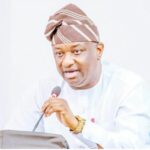
The long-awaited second runway at the Nnamdi Azikiwe International Airport, Abuja, has become a striking example of how prolonged delays can dramatically increase the cost of public infrastructure, with Aviation Minister Festus Keyamo revealing that the project is now expected to cost nearly N400 billion.

The project, conceived to provide an additional runway for Nigeria’s capital city, has remained on the drawing board for years amid funding challenges, legislative concerns, contract disputes and changing economic conditions. What was once considered an expensive infrastructure proposal has now multiplied several times over, underscoring the financial consequences of delaying critical projects.

Keyamo, speaking during Aero Contractors’ 67th anniversary celebration in Lagos, recalled that the proposed runway had previously attracted opposition because of its estimated cost. According to him, the project was initially valued at about N45 billion, but years of delay have pushed the projected cost close to N400 billion.
The minister used the development to highlight what he described as the danger of postponing major infrastructure projects. His argument is that inflation, exchange-rate movements, changes in construction costs and other economic pressures can make projects substantially more expensive when implementation is repeatedly deferred.
The history of the Abuja second runway supports the scale of the challenge. The project has passed through several cost revisions and contractual arrangements, including a 2022 agreement involving China Civil Engineering Construction Corporation, with the contract value subsequently increasing. In 2025, the Federal Government rejected a proposed N532 billion variation from the earlier N90 billion figure and considered fresh procurement options.
Beyond the financial implications, the continued absence of a second runway raises operational concerns for an airport serving Nigeria’s political and administrative capital. Industry stakeholders have argued that having only one runway exposes the airport to disruptions whenever maintenance, emergencies or other operational constraints affect the facility.
The Federal Government has nevertheless renewed its commitment to the project. Earlier in 2026, President Bola Tinubu approved the return of CCECC to the Abuja airport project, signalling a fresh attempt to resolve the prolonged impasse and deliver the additional runway.
For the Tinubu administration, completing the project could therefore become more than an aviation infrastructure achievement. It could serve as a test of the government’s ability to bring long-delayed capital projects to completion while managing escalating construction costs and protecting public resources.
Keyamo has also linked the administration’s broader aviation infrastructure programme to its economic reforms, arguing that improved fiscal capacity is helping the government finance major airport investments. He said the Federal Government is investing heavily in aviation infrastructure, including the modernisation of the Lagos airport and the proposed Abuja second runway.
The Abuja runway saga ultimately presents a wider lesson for Nigeria: delaying essential infrastructure does not necessarily make it cheaper. As construction materials, labour, equipment and foreign-exchange costs rise, projects that governments postpone today may become significantly more expensive tomorrow. The immediate challenge is now to ensure that the nearly N400 billion projected expenditure delivers a durable runway capable of meeting Abuja’s aviation needs for decades to come.


