


Bauchi Political Primaries Spark Fresh Divisions Ahead of 2027 Elections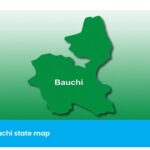
Political developments following recent party primaries in Bauchi State have exposed growing divisions within major political parties, raising concerns about internal cohesion and electoral preparedness ahead of the 2027 general elections.


The conduct of the primaries, which produced candidates for various elective positions, has generated widespread reactions from party members, aspirants, and political stakeholders. Several contestants and their supporters have expressed dissatisfaction with the processes, alleging irregularities, lack of transparency, and inadequate consultation during the selection exercises.
Observers say the controversies surrounding the primaries have revealed longstanding rivalries and power struggles within political circles in the state. Analysts believe the disputes could significantly influence political alignments and campaign strategies as parties prepare for the next electoral cycle.
Some aggrieved aspirants have reportedly challenged the outcomes of the primaries, while others are exploring legal and internal party mechanisms to seek redress. Political stakeholders have warned that unresolved grievances could weaken party structures and affect electoral performance if not addressed promptly.
The situation has also intensified discussions about internal democracy, with calls for political parties to strengthen their candidate selection processes and ensure fairness, transparency, and inclusiveness. Experts argue that credible primaries remain essential for building public confidence and preventing post-primary conflicts.
Political commentators note that Bauchi State is expected to remain one of the key battlegrounds in the 2027 elections, making party unity and effective conflict resolution crucial for electoral success. They emphasized that parties that fail to manage internal disputes risk losing valuable support bases before the commencement of major campaigns.
Despite the disagreements, party leaders have continued efforts to reconcile aggrieved members and foster unity among stakeholders. Several meetings and consultations are reportedly ongoing to prevent further fragmentation and ensure that political activities remain focused on broader electoral objectives.
As political preparations gather momentum, observers will be watching closely to see how the affected parties navigate the emerging challenges and whether reconciliation efforts will be sufficient to restore confidence among members ahead of the 2027 elections.
The developments underscore the growing importance of internal party democracy in Nigeria’s political system and highlight the need for transparent processes capable of strengthening democratic institutions at all levels.


