


FG, NESG Seek Private Investment to Transform Nigeria’s Irrigation Sector
The Federal Governm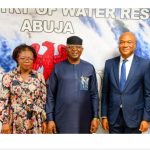 ent and the Nigerian Economic Summit Group (NESG) have intensified efforts to unlock large-scale private sector investment in Nigeria’s irrigation sector as part of broader strategies to strengthen food security, boost agricultural productivity, and enhance economic growth.
The initiative is aimed at addressing long-standing challenges in Nigeria’s agricultural value chain by expanding access to irrigation infrastructure, reducing dependence on rain-fed farming, and supporting year-round agricultural production across the country.
Speaking on the development, stakeholders emphasized the need for stronger collaboration between government agencies, development partners, financial institutions, and private investors to mobilize resources for sustainable irrigation projects.

According to officials, improved irrigation systems will not only increase crop yields but also create jobs, improve rural livelihoods, and strengthen Nigeria’s resilience against climate-related agricultural disruptions.

The partnership is expected to drive policy reforms, improve access to financing, and create an enabling environment that encourages private sector participation in irrigation development. Experts noted that investment in irrigation remains critical to achieving food sufficiency and reducing the country’s dependence on food imports.
The Federal Government reaffirmed its commitment to implementing agricultural reforms that support mechanized farming, water resource management, and modern irrigation techniques capable of transforming Nigeria into a major agricultural hub in Africa.
NESG, on its part, stressed the importance of leveraging private capital to bridge infrastructure gaps within the agricultural sector. The group noted that sustainable investment in irrigation has the potential to unlock millions of hectares of arable land, increase farm productivity, and stimulate economic activities across rural communities.
Industry experts believe that expanding irrigation infrastructure will play a significant role in stabilizing food production, lowering food prices, and supporting Nigeria’s long-term agricultural development goals.
The collaboration comes at a time when the government is pursuing policies designed to strengthen food systems, enhance agricultural exports, and attract greater investment into critical sectors of the economy.
Analysts say successful implementation of the initiative could significantly improve food security, increase farmers’ incomes, and contribute to national economic growth while positioning Nigeria as a leading agricultural producer on the continent.


