



Nigeria Rejects IMF Bailout, Says Reforms Are Rebuilding Economy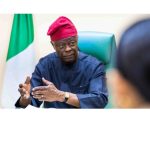
Nigeria has reaffirmed its commitment to ongoing economic reforms, declaring that it will not seek a bailout from the International Monetary Fund (IMF) despite prevailing global economic challenges.
The Minister of Finance and Coordinating Minister of the Economy, Wale Edun, made this known during the IMF and World Bank Spring Meetings in Washington, D.C. He stated that the country is focused on strengthening its economy through internally driven policies rather than relying on external financial assistance.
According to Edun, Nigeria’s reform programme—implemented over the past two years—has started yielding measurable results, improving macroeconomic stability and boosting investor confidence. He noted that the government has adopted market-based mechanisms, particularly in foreign exchange management and fuel pricing, to allow the economy adjust to global realities.
The minister stressed that Nigeria currently has no plans to approach the IMF for financial support, emphasizing that the reforms have enhanced the country’s resilience against external shocks.
However, global economic headwinds remain a concern. Rising geopolitical tensions and fluctuating energy prices continue to exert pressure on inflation, household incomes, and business operations.
International stakeholders have also acknowledged Nigeria’s progress but warned that persistent challenges such as food insecurity, inequality, and limited fiscal space could affect long-term growth if not addressed.
Despite these concerns, the Federal Government expressed confidence that its reform agenda—anchored on fiscal discipline, market liberalisation, and economic diversification—will sustain growth and stabilize the economy over time.


