Recurring Blackout at UCH Raises Fresh Concerns Over Nigeria’s Healthcare Infrastructure


Recurring Blackout at UCH Raises Fresh Concerns Over Nigeria’s Healthcare Infrastructure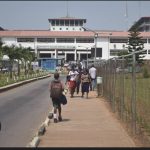
Nigeria’s foremost tertiary health institution, the University College Hospital in Ibadan, has again been thrown into darkness, raising serious concerns about the state of critical infrastructure in the country’s healthcare system.
For a hospital, the absence of electricity is far more than an inconvenience—it can become a life-threatening challenge. Power outages can interrupt surgical procedures in operating theatres, disrupt life-support systems in intensive care units, and affect the storage of temperature-sensitive medications and vaccines.
The hospital has been grappling with recurring power supply challenges linked to unresolved electricity debts and broader power management issues. At one point, the facility was disconnected from the national grid by the Ibadan Electricity Distribution Company over an outstanding bill reportedly running into hundreds of millions of naira. The disconnection led to a prolonged blackout that lasted for months, severely affecting hospital operations.
During the blackout period, many medical services were disrupted. Surgeries were postponed, laboratory services slowed significantly, and new patient admissions were limited as hospital management struggled to keep critical units functioning with alternative power sources.
Established in 1957, the University College Hospital has long been regarded as a symbol of medical excellence in Nigeria and across West Africa. The institution has trained generations of doctors and specialists and has been known for pioneering complex medical procedures, including open-heart surgeries.
However, the ongoing electricity crisis has placed enormous pressure on both staff and patients. Workers say the unstable power supply has affected laboratory operations, delayed test results, and made working conditions increasingly difficult.
Medical personnel have also expressed concerns about the broader implications of the situation, warning that inconsistent electricity supply in a major referral hospital could compromise patient care and increase the risk of complications in critical cases.
The development has renewed calls for urgent intervention by the Federal Government and other relevant authorities to ensure reliable power supply in major health institutions. Stakeholders argue that hospitals, especially teaching hospitals that serve millions of Nigerians, require stable electricity to function effectively.
Many experts are also advocating long-term solutions such as dedicated power lines or alternative energy systems to prevent future disruptions.
For patients and healthcare workers, the situation underscores a troubling reality: a hospital cannot effectively save lives in darkness. Ensuring uninterrupted power supply remains essential to maintaining quality healthcare delivery in Nigeria’s leading medical institutions.