Politics

Obasanjo Says Western Liberal Democracy Has Failed Africa, Calls for New Governance Model


Obasanjo Says Western Liberal Democracy Has Failed Africa, Calls for New Governance Model
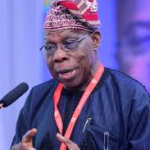
Obasanjo

Former President Olusegun Obasanjo has renewed his criticism of Western liberal democracy in Africa, declaring that the system inherited from colonial powers has failed to adequately reflect the continent’s history, culture and political realities.

Obasanjo spoke at the Goodluck Jonathan Foundation Democracy Dialogue 2026 held at the Ahmadu Bello International Conference Centre in Bauchi, where African leaders, scholars, jurists and development experts gathered to discuss the future of democracy, elections and governance on the continent.

Advertisement

The former president, who chaired the dialogue themed, “Beyond Elections: Can Political Parties and the Judiciary Save African Democracy?”, argued that what is commonly described as democracy in Africa is essentially Western liberal democracy inherited from former colonial powers.
According to Obasanjo, African countries must critically examine whether the existing democratic model has delivered good governance, improved living standards and equitable development for their citizens.

He maintained that democracy should ultimately guarantee the welfare and wellbeing of the people, protect lives and property, promote inclusion and give citizens a genuine sense of belonging.

Obasanjo also questioned whether Africa’s political institutions, including political parties and the judiciary, are functioning in ways that strengthen the will of the people. He raised concerns about situations where electoral disputes eventually leave a small number of judges determining the outcome of elections involving millions of voters.

The former Nigerian leader further argued that some concepts embedded in Western liberal democracy do not easily align with African political traditions. He cited the concept of a “loyal opposition,” noting that political opposition in many African societies is frequently treated as hostility rather than an essential component of democratic governance.

He stressed that Nigeria’s diversity must be properly managed, warning that any democratic system that fails to recognise ethnic, cultural and regional differences risks deepening division and exclusion.

Obasanjo’s position was echoed by former President Goodluck Jonathan, who called for a wider debate on the type of democracy best suited for Africa. Jonathan expressed concern over the concentration of enormous political power in the presidency in many African countries and suggested that the continent should examine systems that encourage greater power-sharing and collective decision-making.

Jonathan suggested that African countries could study elements of parliamentary government, where executive authority is more widely distributed, rather than allowing excessive power to be concentrated in one individual.

Also contributing to the debate, Peter Obi questioned the quality of democracy being practised in Nigeria and called for stronger institutions built around justice, equity and fairness.

University of Nairobi scholar Professor Karuti Kanyinga also warned that democracy in Africa was being weakened by the declining distinction between ruling and opposition political parties.

The discussions in Bauchi reinforced growing calls for African countries to reassess their democratic institutions beyond periodic elections and develop governance systems capable of delivering accountability, inclusion, stability and sustainable development.

Obasanjo has repeatedly advocated a governance framework more closely aligned with African realities, previously proposing what he described as “Afro Democracy” as an alternative model that incorporates the continent’s traditions, culture and social structures.

Related Articles

Back to top button

Nigeria Standard Magazine: A Voice for Excellence and Innovation

Introduction

Nigeria Standard Magazine is a premier publication dedicated to showcasing the vibrant culture, business excellence, political landscape, entertainment, and technological advancements of Nigeria. Our mission is to provide insightful, fact-based journalism while promoting Nigerian achievements on a global scale. With a commitment to quality journalism and innovative reporting, Nigeria Standard Magazine covers a wide range of topics, including business, politics, entertainment, education, and lifestyle. This article will explore how the magazine is revolutionizing media in Nigeria and why it remains a leading source of news and information.

The Role of Nigeria Standard Magazine in Media Excellence

1. A Trusted News Source

Nigeria Standard Magazine has built a reputation for delivering accurate, reliable, and timely news. Unlike sensationalist media, we focus on in-depth analysis, investigative journalism, and balanced reporting. Our team of seasoned journalists ensures that every piece published meets the highest standards of ethical journalism.

2. Covering Nigeria’s Political Landscape

With Nigeria’s dynamic political environment, staying informed is crucial. Nigeria Standard Magazine provides comprehensive coverage of political developments, elections, policy changes, and governance. We offer expert opinions, interviews with political leaders, and policy analysis that help Nigerians make informed decisions.

3. Business and Economic Insights

Nigeria Standard Magazine serves as a vital resource for entrepreneurs, investors, and business professionals. Our business section covers: By providing actionable insights, we help businesses navigate the complex Nigerian economy and make informed decisions.

Entertainment and Lifestyle: Celebrating Nigerian Talent

4. Nollywood and Music Industry Updates

Nigeria’s entertainment industry is one of the fastest-growing in the world. Nigeria Standard Magazine keeps readers updated on: Our entertainment section provides an insider’s look into the vibrant world of Nigerian arts and culture.

5. Fashion and Lifestyle Trends

From traditional attire to modern fashion trends, Nigeria Standard Magazine covers the evolving fashion scene. Our lifestyle section highlights:

Technology and Innovation: Nigeria’s Digital Transformation

6. Tech Startups and Innovations

Nigeria is emerging as a tech hub in Africa, with startups revolutionizing various industries. Nigeria Standard Magazine reports on: Our readers gain valuable insights into the tech ecosystem and the future of innovation in Nigeria.

7. Education and Career Development

Education is key to national development. Nigeria Standard Magazine supports knowledge-sharing through: By focusing on education, we empower Nigerian youth to achieve academic and professional success.

Why Nigeria Standard Magazine Stands Out

8. Digital and Print Accessibility

We understand the importance of accessibility in today’s digital world. Nigeria Standard Magazine is available in both print and digital formats, ensuring that readers can access our content anytime, anywhere. Our online platform is optimized for mobile users, making it easy to read the latest news on the go.

9. Engaging Multimedia Content

To keep our audience engaged, we incorporate: This multimedia approach enhances user experience and provides diverse ways to consume information.

10. Community Engagement and Social Media Presence

Nigeria Standard Magazine actively engages with readers through social media platforms such as Twitter, Facebook, Instagram, and LinkedIn. Our interactive approach includes: This strong online presence ensures that we remain connected with our audience and foster meaningful conversations.

SEO Strategies for Nigeria Standard Magazine

To maintain visibility and attract more readers, we employ the following SEO strategies:

11. Keyword Optimization

Our content incorporates relevant keywords such as: By strategically placing these keywords in our articles, we enhance search engine rankings and reach a wider audience.

12. High-Quality Content and Backlinks

We prioritize quality content that is: By collaborating with industry experts and media partners, we build credible backlinks that boost our domain authority.

13. Mobile Optimization and Fast Loading Speeds

With a growing number of readers accessing content via mobile devices, we ensure:

14. Social Media Integration

Our articles are easily shareable across social media platforms, driving organic traffic. We encourage readers to:

Conclusion: The Future of Nigeria Standard Magazine

As Nigeria continues to evolve, Nigeria Standard Magazine remains committed to delivering accurate, engaging, and insightful content. Our mission is to inform, educate, and inspire Nigerians and the global audience about the nation’s achievements and potential. With a strong digital presence, high-quality journalism, and a deep understanding of our readers’ needs, Nigeria Standard Magazine will continue to be a trusted voice in Nigerian media. Stay connected with us for the latest updates on business, politics, entertainment, technology, and more. Follow us on social media and visit our website for real-time news and analysis.