

APC’s Seven Prado SUVs Spark Campaign Funding Controversy Ahead of 2027


APC’s Seven Prado SUVs Spark Campaign Funding Controversy Ahead of 2027
By Akin Alade


The controversy surrounding the presentation of seven brand-new Toyota Land Cruiser Prado SUVs to selected All Progressives Congress (APC) youth leaders has intensified, raising fresh questions about political campaign financing, transparency and the priorities of Nigeria’s political class ahead of the 2027 general elections.
At the centre of the controversy is the APC National Youth Leader, Dayo Israel, who displayed the 2026-model luxury vehicles on social media, explaining that they were intended to support grassroots political mobilisation for President Bola Ahmed Tinubu’s re-election campaign.
The development attracted widespread criticism after Israel reportedly deleted the social media post following public reactions. However, the removal of the post has done little to silence demands for an explanation of how the vehicles were acquired and who financed their distribution.
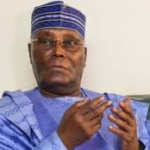
Paul Ibe, media adviser to former Vice-President Atiku Abubakar, has challenged the ruling party to disclose the financial arrangements behind the vehicles, insisting that Nigerians deserve to know whether the purchases were financed through private donations, party resources or public funds.
Ibe specifically demanded explanations from the APC leadership, First Lady Senator Oluremi Tinubu and Dayo Israel regarding the cost of the vehicles, their ownership, the identities of the beneficiaries and the source of the money used to acquire them.
The controversy gained further attention after the First Lady confirmed donating utility vehicles to the APC National Youth Wing to strengthen its grassroots mobilisation ahead of the 2027 elections.
Although the donation has been acknowledged, questions remain about the precise purchase price, the funding arrangements and whether the vehicles were acquired through personal contributions or other financial channels.
Ibe argued that the controversy could not be dismissed simply because the original social media post was deleted, stressing that political leaders have a responsibility to provide explanations when their activities raise legitimate public concerns.
He also called on the Economic and Financial Crimes Commission (EFCC) and the Independent National Electoral Commission (INEC) to examine the circumstances surrounding the donation and determine whether the transaction complied with applicable political financing regulations.
The former vice-president’s aide maintained that public resources must not be diverted into partisan political activities, warning against any arrangement that could blur the distinction between government expenditure and party campaign financing.
Beyond the political exchanges, the controversy has introduced another dimension to the national conversation about the growing cost of elections in Nigeria and the increasing dependence of political parties on expensive logistics and financial resources to sustain their mobilisation structures.
The reported distribution of seven luxury SUVs has generated particular concern because it comes at a time when many Nigerians continue to struggle with rising living costs, unemployment, transportation expenses and other economic pressures.
Critics have questioned the appropriateness of deploying expensive vehicles for political mobilisation when millions of young Nigerians are seeking employment opportunities, improved educational facilities, affordable healthcare and meaningful economic empowerment.
However, supporters of political mobilisation programmes may argue that vehicles are legitimate logistical resources for party operations, particularly in a country where political organisations must cover extensive geographical areas and reach communities with difficult road networks.
Dayo Israel has explained that the vehicles would help APC youth leaders reach rural communities and communicate the Tinubu administration’s programmes and achievements to voters ahead of the 2027 presidential election.
Nevertheless, the central issue is not necessarily whether political parties should provide transportation for their officials, but whether the financial arrangements behind such donations are transparent and consistent with electoral regulations.
The controversy also raises broader questions about the responsibility of political parties to disclose major donations, identify their funding sources and demonstrate that resources deployed for election campaigns are obtained through legitimate channels.
For the ruling APC, the development presents an opportunity to address public concerns through a clear explanation of the donation, including the total expenditure, the source of funding and the intended use of the vehicles.
For opposition figures demanding accountability, the challenge is equally significant: allegations involving political financing must be supported by credible evidence rather than assumptions based solely on the display of expensive assets.
So far, the public controversy has not established that government funds were used to purchase the vehicles or that any electoral financing law was violated.
As Nigeria approaches the 2027 general elections, the debate over the seven Toyota Prado SUVs could become part of a wider examination of campaign expenditure, political donations and the financial accountability of parties seeking public office.
Ultimately, the controversy goes beyond seven luxury vehicles. It raises a fundamental question about Nigeria’s democracy: how can political leaders convince citizens to trust them with public resources if the financing of their political activities remains a subject of unanswered questions?


