

Gbajabiamila Cuts Ties With Desmond Elliot in accordance to Asiwaju’s Directive.
….As Hon Faleke continues to work against Asiwaju Bola Ahmed Tinubu’s interests in Lagos State

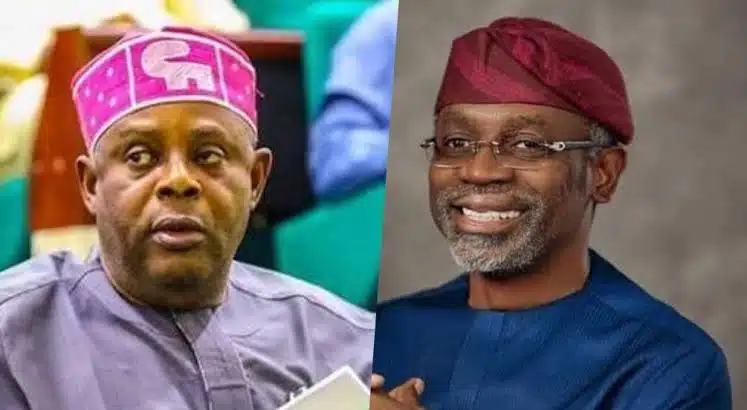

The political fallout from the controversial impeachment of Lagos State House of Assembly Speaker, Rt. Hon. Mudashiru Obasa, continues to generate tension within the Lagos chapter of the All Progressives Congress (APC), as Asiwaju Bola Ahmed Tinubu has directed that those lawmakers involved in the crisis should never return to the Assembly in 2027.
To many grassroots loyalists, party elders and influential stakeholders, the impeachment saga was never about legislative independence or democracy. They describe it as a dangerous betrayal of party structure, discipline and loyalty one that embarrassed Lagos State and exposed internal cracks within the ruling party before the entire nation.
The President is particularly angered by the role allegedly played by some lawmakers who openly supported the move against Speaker Obasa despite several interventions from respected party leaders and federal authorities.
Among the names repeatedly mentioned in political discussions across wards and community meetings are Desmond Olushola Elliott, Temitope Adewale JAH, Mojisola Lasbat Meranda, Tobun Abiodun, Saheed Wasiu Obafemi and others accused of backing the anti-Obasa movement.

However, insiders within the APC say the biggest political casualty of the crisis may eventually be Desmond Elliott, as reports continue to emerge that the Chief of Staff to President Bola Ahmed Tinubu, Hon. Femi Gbajabiamila, has completely withdrawn his political support for the Surulere lawmaker over his involvement in the impeachment plot.

According to credible party sources, President Bola Tinubu was deeply displeased with the manner the impeachment issue was handled and reportedly summoned Gbajabiamila to intervene and caution Desmond Elliott against participating in actions capable of destabilizing the Lagos political structure.
Sources further revealed that even the Director General of the Department of State Services (DSS) allegedly reached out to Gbajabiamila, urging him to warn Desmond Elliott to back down from the impeachment moves in order to avoid escalation of the political crisis.
Despite these warnings and interventions, Desmond Elliott allegedly refused to retrace his steps, a development that reportedly forced Gbajabiamila to distance himself politically from the actor-turned-lawmaker and shift support to another candidate ahead of the 2027 political permutations.
Many APC loyalists now argue that Desmond Elliott can no longer claim the backing of the powerful political structure that once sustained his rise in Lagos politics.
Attention has also shifted heavily toward Hon. Temitope Adewale JAH, whom many party faithful accuse of playing a major role in the anti-Obasa camp.
Across several APC meetings and grassroots engagements, many members reportedly expressed disappointment in Adewale’s actions, insisting that the people of his constituency have already rejected him politically because of what they describe as disloyalty, over-ambition and disregard for party leadership.
However, party insiders allege that despite the growing rejection from the grassroots, Hon. James Faleke is allegedly the major political figure backing Temitope Adewale’s return to the Assembly in total disregard regard of Asiwaju’s directive as heard from the Chief of Staff to the President.
This revelation has reportedly generated fresh anger within sections of the APC, with many questioning why a politician as close to President Tinubu as Faleke would continue supporting a lawmaker accused of participating in activities that allegedly undermined the President’s political structure in Lagos State.
Several stakeholders argue that while Gbajabiamila chose to withdraw his support from Desmond Elliott over the impeachment controversy, it is disturbing that Faleke is allegedly encouraging Temitope Adewale to continue what they described as “unruly political conduct.”
Party loyalists insist that anyone who allegedly betrayed the President, Lagos State and the APC structure because of selfish political ambition should not be rewarded with another ticket in 2027.
The crisis, according to many stakeholders, exposed dangerous cracks within the Assembly and raised serious questions about loyalty, discipline and respect for party hierarchy.
Grassroots mobilizers maintain that this is no longer about personal friendship or political alliances but about preserving the integrity of the APC structure in Lagos.
According to them, lawmakers who allegedly fueled internal rebellion cannot be trusted with another mandate because their actions weakened the party before the public and created avoidable embarrassment in President Tinubu’s home state.
Some party members believe first-term lawmakers may have acted under influence or pressure, but they insist that ranking members and coordinators of the impeachment movement knew exactly what they were doing and should face political consequences for it.
The mood within many APC circles remains clear: loyalty must have meaning, and accountability cannot be selective.
As 2027 approaches, party faithful say the APC primaries will become a major test of loyalty, discipline and respect for the political structure that has sustained Lagos politics for decades.
While the impeachment crisis may have ended officially on paper, many believe its political consequences are only beginning — and some lawmakers involved may soon discover that the grassroots have not forgotten.


