

PDP’s Internal Crisis Deepens as Party Leaders Struggle for Unity Rewritten Story: The internal crisis within the Peoples Democratic Party (PDP) has continued to raise concerns among political observers and party supporters, as divisions among key leaders threaten the unity of Nigeria’s main opposition party. Once widely regarded as a dominant political force, the party has in recent times faced persistent internal disagreements, power struggles and growing mistrust among influential members. These disputes have created factions within the party, with different groups competing for influence over its leadership structure and political direction. The crisis has been fueled by allegations of secret meetings, conflicting interests and disagreements over key party decisions. Some stakeholders have accused certain members of undermining the party’s collective interest through actions seen as self-serving or sympathetic to rival political forces. Observers say the lingering disagreements have weakened the party’s ability to present a united front, especially after its recent electoral setbacks. Rather than concentrating fully on rebuilding its strength as a credible opposition platform, the party has been preoccupied with internal battles and leadership disputes. Party leaders have acknowledged the existence of these challenges and have repeatedly called for reconciliation among members. According to them, unity, discipline and mutual respect are essential if the party hopes to regain public confidence and reposition itself ahead of future elections. However, political analysts warn that failure to resolve the ongoing disputes could further weaken the party’s influence and reduce its chances in upcoming political contests. Many believe that only genuine reconciliation, transparent leadership processes and stronger internal democracy can restore stability within the party. For now, the future of the PDP largely depends on how effectively its leaders manage the crisis and rebuild trust among members as the party seeks to regain its footing in Nigeria’s political landscape.


PDP’s Internal Crisis Deepens as Party Leaders Struggle for UnityPDP’s Internal Crisis Deepens as Party Leaders Struggle for Unity
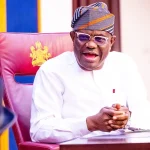

The internal crisis within the Peoples Democratic Party (PDP) has continued to raise concerns among political observers and party supporters, as divisions among key leaders threaten the unity of Nigeria’s main opposition party.
Once widely regarded as a dominant political force, the party has in recent times faced persistent internal disagreements, power struggles and growing mistrust among influential members. These disputes have created factions within the party, with different groups competing for influence over its leadership structure and political direction.
The crisis has been fueled by allegations of secret meetings, conflicting interests and disagreements over key party decisions. Some stakeholders have accused certain members of undermining the party’s collective interest through actions seen as self-serving or sympathetic to rival political forces.
Observers say the lingering disagreements have weakened the party’s ability to present a united front, especially after its recent electoral setbacks. Rather than concentrating fully on rebuilding its strength as a credible opposition platform, the party has been preoccupied with internal battles and leadership disputes.
Party leaders have acknowledged the existence of these challenges and have repeatedly called for reconciliation among members. According to them, unity, discipline and mutual respect are essential if the party hopes to regain public confidence and reposition itself ahead of future elections.
However, political analysts warn that failure to resolve the ongoing disputes could further weaken the party’s influence and reduce its chances in upcoming political contests. Many believe that only genuine reconciliation, transparent leadership processes and stronger internal democracy can restore stability within the party.
For now, the future of the PDP largely depends on how effectively its leaders manage the crisis and rebuild trust among members as the party seeks to regain its footing in Nigeria’s political landscape.
Rewritten Story:
The internal crisis within the Peoples Democratic Party (PDP) has continued to raise concerns among political observers and party supporters, as divisions among key leaders threaten the unity of Nigeria’s main opposition party.
Once widely regarded as a dominant political force, the party has in recent times faced persistent internal disagreements, power struggles and growing mistrust among influential members. These disputes have created factions within the party, with different groups competing for influence over its leadership structure and political direction.
The crisis has been fueled by allegations of secret meetings, conflicting interests and disagreements over key party decisions. Some stakeholders have accused certain members of undermining the party’s collective interest through actions seen as self-serving or sympathetic to rival political forces.
Observers say the lingering disagreements have weakened the party’s ability to present a united front, especially after its recent electoral setbacks. Rather than concentrating fully on rebuilding its strength as a credible opposition platform, the party has been preoccupied with internal battles and leadership disputes.
Party leaders have acknowledged the existence of these challenges and have repeatedly called for reconciliation among members. According to them, unity, discipline and mutual respect are essential if the party hopes to regain public confidence and reposition itself ahead of future elections.
However, political analysts warn that failure to resolve the ongoing disputes could further weaken the party’s influence and reduce its chances in upcoming political contests. Many believe that only genuine reconciliation, transparent leadership processes and stronger internal democracy can restore stability within the party.
For now, the future of the PDP largely depends on how effectively its leaders manage the crisis and rebuild trust among members as the party seeks to regain its footing in Nigeria’s political landscape.


